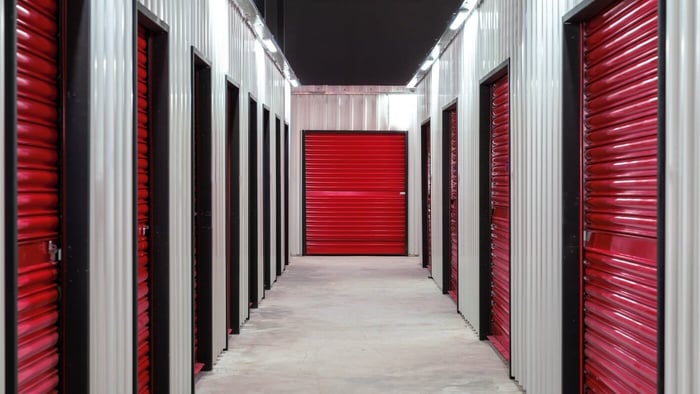





Canada's summers can be glorious, with warm evenings, long weekends, outdoor adventures, and road trips. But, depending on where you live, those same months can bring intense heat, high humidity, and dramatic temperature swings that threaten items without proper storage. Whether you're using a garage, basement, or storage unit, understanding how summer weather affects your things is the first step to protecting them.
Canada's Summer Climate: It's Not the Same Everywhere
Canada is expansive, and summer weather varies from coast to coast. While the climate can be somewhat unpredictable, general summer temperatures include:
British Columbia: Coastal areas (like Victoria) see mild, dry summers, but interior BC can hit 35°C+ with low humidity and wildfire smoke.
Alberta: Calgary and Edmonton experience hot, dry days with intense UV exposure and occasional hailstorms.
Ontario and Quebec: The GTA, Mississauga, and Montreal regularly have humid, muggy summers where the humidex can push conditions well past 40°C.
Nova Scotia: Halifax and Dartmouth summers are cooler and heavily influenced by Atlantic moisture, making persistent humidity a common concern.
Regardless of your province, the two biggest threats to stored items in summer are heat and humidity.
What Heat Does to Your Stored Belongings
Many everyday items have a lower heat tolerance than you might expect. Storing them in a hot garage, attic, or unregulated storage unit through a Canadian summer can cause permanent damage.
Here's what's most vulnerable:
Electronics: Heat degrades batteries, warps circuit boards, and can permanently damage screens. Laptops, cameras, game consoles, and televisions should never be stored in spaces that regularly exceed 35°C.
Wood furniture: Prolonged heat causes wood to dry out, crack, split, and warp. Antiques and solid wood pieces are especially susceptible to heat damage.
Musical instruments: Guitars, violins, and other wooden instruments are highly sensitive to both heat and dryness. A hot storage environment can cause irreversible damage to an instrument's finish and structure.
Vinyl records and media: High temperatures cause records to soften, warp, or even melt. Meanwhile, low temperatures cause the vinyl to become brittle and fragile.
Candles, cosmetics, and wax-based products: These will simply melt, leak, and ruin whatever's around them.
Artwork and photographs: Heat accelerates fading, causes adhesives to fail, and can permanently bond photos together.
What Humidity Does to Your Stored Items
You can't always see or feel it, but moisture in the air can quietly degrade your stored items over weeks and months. By the time you notice the damage, it's often too late.
The most common humidity-related damage to stored items includes:
Mould and mildew: Fabric, upholstered furniture, mattresses, clothing, and cardboard boxes are all prime targets. Once mould takes hold, it spreads fast and is notoriously difficult to fully remove.
Rust and corrosion: Tools, appliances, bicycles, metal furniture, and anything with exposed steel or iron can start to corrode in humid conditions.
Warping and swelling: Wood absorbs moisture and expands, causing drawers to stick, doors to misalign, and panels to warp.
Paper and documents: Files, books, photos, and records absorb humidity, leading to yellowing, wrinkling, and eventual deterioration.
Electronics: Moisture and electronics are a dangerous combination. Even moderate humidity can lead to internal corrosion and short circuits.
In provinces like Ontario, Quebec, and Nova Scotia, humidity is a concern for items in attics, garages, basements, or storage units without climate control.
When Climate-Controlled Storage Is Worth It
Climate-controlled storage units maintain a consistent temperature and humidity level year-round, typically keeping interiors between 10°C and 25°C with controlled humidity. For many of summer storage scenarios, this is the difference between your items surviving the season and not.
Climate-controlled storage is strongly recommended for:
Wooden or upholstered furniture
Electronics of any kind
Musical instruments
Important documents, files, and business records
Artwork, photographs, and collectibles
Clothing, particularly anything delicate or valuable
Appliances going into long-term storage
Anything with sentimental or significant monetary value
Practical Tips for Summer Storage Success
Beyond choosing the right unit type, there are a few habits that go a long way toward protecting your items through the summer months:
Use plastic bins instead of cardboard boxes: Cardboard absorbs moisture and attracts pests. Rigid plastic containers with tight-fitting lids offer more protection.
Don't store sensitive items directly on the floor: Even at the best summer storage facilities, moisture buildup or condensation from your items can lead to trouble. Some airflow underneath items helps prevent moisture buildup. Consider using pallets or shelving units for your most sensitive items.
Let items fully dry before storing: Never put anything damp or recently washed into storage. Moisture trapped inside a sealed unit can quickly mould your items while increasing the humidity throughout your storage space.
Wrap furniture properly: Use breathable furniture covers rather than plastic wrap, which traps hidden moisture against surfaces.
Avoid overpacking units: Cramming items tightly reduces airflow and makes temperature regulation less effective. Explore storage unit hacks to make the most of your space, and take note of where the airflow comes from in your unit to ensure you are not blocking any vents.
Check on long-term storage periodically: A quick visit mid-summer helps you catch any issues before they become serious problems. Check for unusual smells and look over your items for any visual signs of distress.
Protecting What Matters Through the Summer
Canada's summer weather is one of the more underestimated threats to your stored belongings. Heat warps, melts, and fades your most valuable items. Humidity rusts, moulds, and rots almost anything improperly stored. The good news is that with the right storage environment and a few smart habits, virtually everything you own can come through the summer season in perfect condition.
At Bluebird Storage, our facilities across Canada offer climate-controlled units, 24/7 security monitoring, and extended access hours, so your belongings are protected no matter what the season brings. Whether you're storing during a summer move, through a renovation, or reclaiming some space at home, we'll help you find the right unit for you.
Find a Bluebird Storage location near you to ensure your items are ready for whatever summer throws at them, or contact us to get started today!